
Sauna Pants RFQs: Define the Measurement Basis
Define the measurement basis of a men’s sauna pants quotation before comparing sizes. Identify whether each value describes a body or the finished garment, record units and measurement points, and state the closure and fabric condition. Match the answer to a named sample and version so the size schedule, quotation and approval record refer to the same item.
Identify the offered pants before comparing a chart
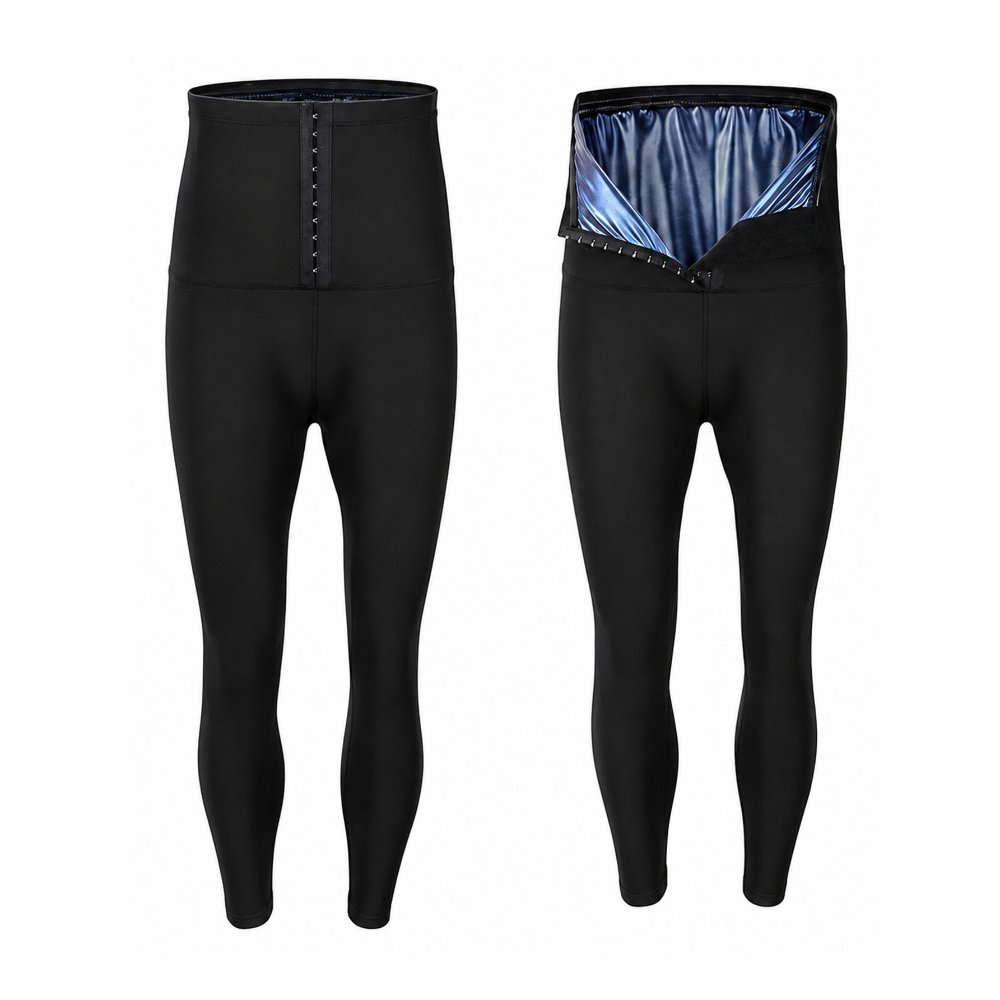
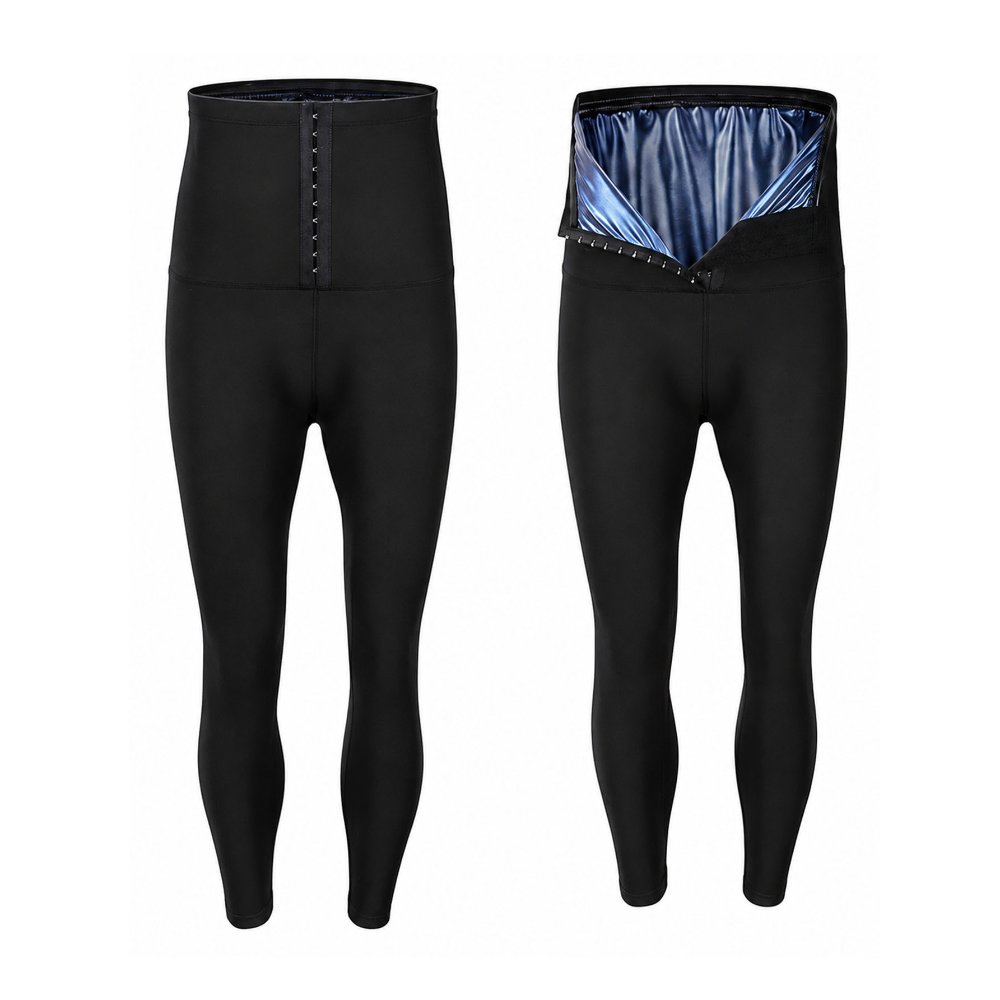
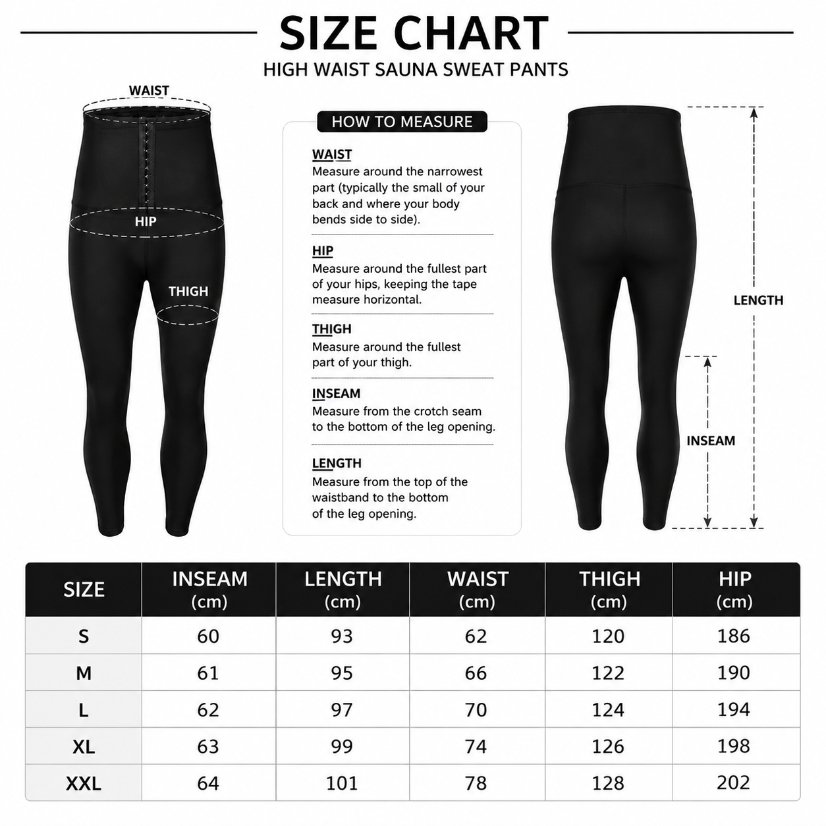
The men’s sauna pants catalogue page includes a supplier-published chart with inseam, length, waist, thigh and hip columns. Start the enquiry with that product reference and the selected appearance. Ask the supplier to identify the exact version and size schedule being quoted. A broad product family or a category label is too general to identify the item behind a measurement response.
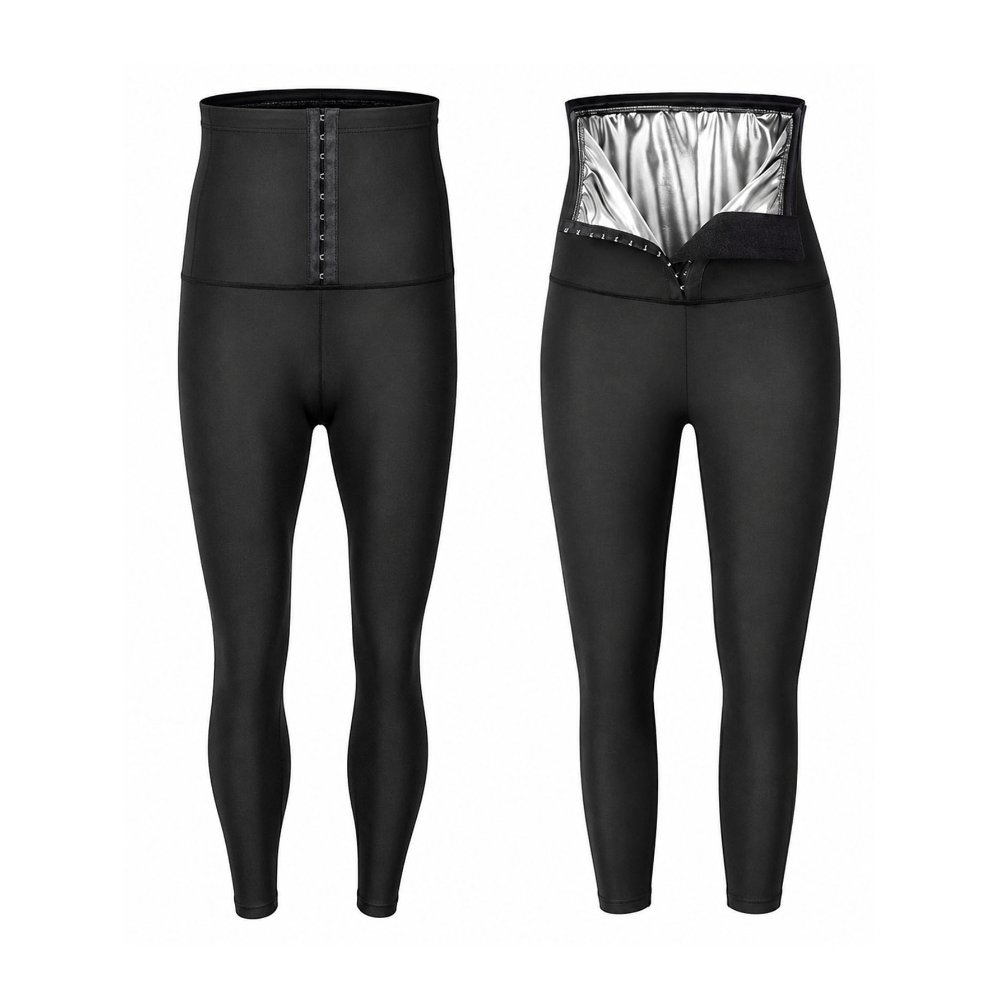
Keep the supplier reference, chosen image and sample identifier on the same enquiry line. The gallery shows blue-looking and silver-looking inner appearances. Ask whether the proposed chart covers the selected version rather than assuming that similar outer shapes share one size specification. Record any unresolved relationship between the photograph, chart and offered item before comparing quotations.
Separate body dimensions from garment dimensions
A recommended body size and a finished garment measurement answer different purchasing questions. Request a clear label for each column: does it describe the intended wearer, the delivered pants, or another production reference? Keep those answers beside the figures. A table headed size chart does not by itself settle the measurement basis or explain how the supplier expects the buyer to use it.
Ask the supplier to provide a marked example for one identified sample. If its explanation uses both body and garment measurements, request separate records and the relationship it proposes between them. The buyer can then review the offered size schedule against the actual purchasing requirement. This record establishes what is being compared; it does not prescribe how a person should wear or exercise in the garment.
Agree units, endpoints and the meaning of each reading
For each requested dimension, ask for units and a sketch showing the measurement endpoints. A waist reading needs its reference position; hip and thigh labels need their own marked locations. Length and inseam should remain separate fields. Ask where each begins and ends on the proposed pants so different respondents do not supply numbers for different parts of the garment.
Also ask whether a reading is taken across a laid-flat item or around its circumference. Do not silently double, halve or relabel a printed value to make a table look consistent. The visible chart contains figures whose basis needs clarification. Retain the original reference and request a supplier explanation tied to the selected sample before adopting any number as an agreed specification.
Record the closure and fabric condition
The catalogue photographs show a front fastening area and an opened inner surface. Ask which closure position is used when the supplier records the dimensions. If more than one fastening position is relevant to the offer, request a clear description of the position behind each response. A closed photograph alone cannot establish a complete adjustment range.
Keep relaxed measurements separate from readings made under an agreed extension condition. Ask the supplier to describe the condition it used rather than inventing a pulling force or stretch percentage. When two answers differ, check sample identity, closure position and measurement condition before treating the difference as a production problem. Any proposed acceptance limits need their own written agreement.
Use one comparison record for the RFQ
Send the same request schedule to each respondent. Keep missing answers visible so an overall size, a body range and a flat garment reading do not enter one comparison as equivalent values. The following fields provide a purchasing discussion framework; they contain no approved dimensions or completed inspection results.
| RFQ field | Information to request | Record to retain |
|---|---|---|
| Offered reference | Product, pictured appearance and sample identifier | Named version linked to the quotation |
| Measurement basis | Body, finished garment or another stated reference | Supplier explanation kept beside each column |
| Units and points | Units, endpoints and marked locations | Annotated drawing or identified sample view |
| Condition | Closure position and relaxed or agreed extension state | Method description tied to the same sample |
| Approval | Open questions, proposed limits and buyer disposition | Accepted revision retained with the order |
- Keep the original chart and the supplier clarification together.
- Use the same version reference in the sample record and quotation.
- Leave unanswered measurement questions pending.
Carry the approved revision into the order
Once the buyer accepts the measurement information, retain the chart revision, supplier response and sample reference together. A replacement version or a changed closure arrangement may need another review. Obtain commercial terms separately for the actual selection; a size clarification does not confirm availability, minimum order quantity or delivery timing.
Frequently asked questions
Can the catalogue chart be used as an approved specification?
First obtain the measurement basis, units and version confirmation. Keep the supplier-published chart as a reference until the responsible buyer accepts the clarified schedule.
Can a flat measurement be treated as circumference?
Request the supplier’s explicit explanation. Avoid converting a value by assumption when the measurement method has not been identified.
Does one chart cover both pictured inner appearances?
Ask which offered versions the supplier includes. A similar outer shape or a gallery grouping does not establish the chart’s scope.
Does the chart establish an agreed tolerance?
No tolerance is supplied by this article. Request the supplier’s proposed limits and record the buyer’s acceptance for the identified sample and measurement method.
Send the selected reference and open measurement questions through Huanchang Sports contact. Use the product catalogue to identify an offered item and the article archive for separate purchasing topics.